
A small pause for Scripture, reflection and prayer, with room to continue another day.

A quiet time can begin with a modest decision: set aside one small part of the day for a passage, a thought and a prayer. There is no need to arrange a complete programme before opening Scripture. Giving a brief pause a clear purpose can make it easier to decide what belongs in that moment.
This guide offers a way to shape that pause around ordinary commitments. The four routes above lead to study, devotional tools, worship listening and Bible games. Choose the activity that serves the moment rather than trying to include every option in one sitting. The amount of content completed is not a measure of the value of prayer.
Give the pause a beginning and an ending
Start by choosing a point in the day when a brief interruption is practical. It might follow breakfast, precede an evening task or sit between two activities. Treat this as a possible opening, with permission to move it when circumstances change. A routine needs enough flexibility to remain usable.
Decide on a stopping point before starting. For example, read one paragraph, consider a question and finish with a few words of prayer. Leaving a longer passage unfinished is acceptable. A clear ending can help prevent a short devotional from becoming an unexpected search through unrelated material.
Let the passage set the subject
Read the selected text slowly enough to notice who is speaking, what is happening and how the sentences connect. A memorable line may invite reflection, but the surrounding passage matters too. If a phrase is unclear, keep the question available for a later study session instead of forcing an immediate answer.
Separate observation from response. First describe what the passage actually says; then consider what you would like to bring into prayer. This distinction leaves room for questions, unfamiliar language and further reading. A brief devotional can include uncertainty without turning it into a hurried conclusion about the whole Bible.
Use a simple sequence
- Choose the passage before browsing other material on the phone.
- Notice one detail that deserves a closer look.
- Put a question or response into your own words.
- Close with prayer, then decide where to resume next time.
These steps are suggestions rather than requirements. Some pauses may consist mainly of reading; others may leave more room for silence. The pause can include moments without a planned activity. A short, deliberate sequence gives the pause a shape while allowing its contents to vary.
Keep study questions for their own space
A devotional and a study session can support one another while serving different purposes. Reflection may raise a question about a speaker, a theme or the meaning of a passage. The course route explores teaching and lesson resources that can provide a separate setting for examining those questions more carefully.
Choose a single question to carry into that study time. Write it on paper if that is convenient, together with the passage reference. Returning to one specific issue is often more manageable than opening several topics at once. An unresolved question can become a starting point for another visit to the text.
Give prayer a manageable focus
Prayer need not become a long inventory during a brief pause. A point of gratitude, a request or a response to the reading can provide a beginning. The devotional app route compares different approaches to guided reflection and prayer organisation, so the choice can follow the kind of support being sought.
Consider whether guidance would be welcome or whether a simple prompt would leave more room for personal words. Neither approach has to occupy every session. The important decision is what the tool contributes to the pause, rather than how many of its features can be used before putting the phone down.
Leave listening and play in proportion
A worship song can form a separate listening moment before or after reading. Decide whether the words invite attention or compete with the passage. Silence is also an option. The music route looks at two different listening approaches without treating a longer queue of songs as a requirement for a devotional.
A Bible word game can offer a small change of activity. If a word raises curiosity, take it back to the passage rather than treating a completed puzzle as an explanation. The games route considers short sessions, purchase indicators and the distinction between solving a challenge and interpreting Scripture.
Questions about a short quiet time
What if only a very small window is available?
Choose one part of the sequence, such as reading a paragraph and offering a short prayer. Keep the rest for another occasion. The example is an invitation to adjust the activity to the available space, without promising that a particular number of minutes will produce a particular outcome.
Must every pause include an app?
No. A printed passage and a handwritten question can be enough for the activity described here. The phone is one possible way to access supporting material. Use the four routes to investigate specific tools when useful, while leaving the reading itself at the centre of the decision.
How can the next session begin after a gap?
Return to the last passage or choose another manageable section. There is no need to create a backlog of missed tasks. Begin with the space available now, check what the text says and leave a clear place to continue. A devotional pause can remain small without needing to justify its length.
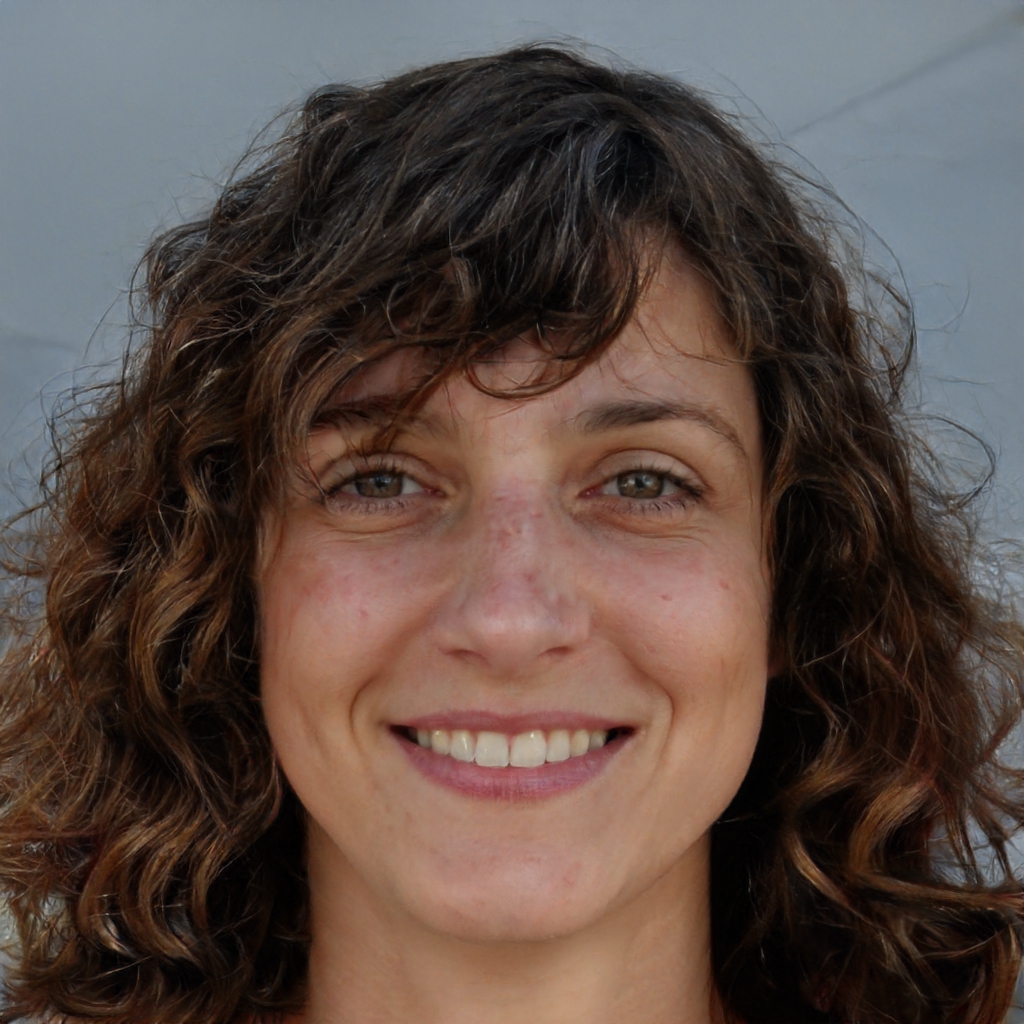
My name is Clara. I am a writer, content creator and digital nomad. I travel the world while producing articles every day for the Vaga de Emprego SP portal, focusing on the job market, job opportunities, careers, extra income and professional development.
I am passionate about communication and I believe that clear, accessible information can help people find new opportunities and improve their lives through work.
On the portal, my goal is to create useful, up-to-date and relevant content for readers looking for job openings, professional tips, market trends and career guidance. Every article is produced with dedication, research and a commitment to the quality of information.
Besides writing, I also share experiences from my routine as a digital nomad, balancing travel, remote work and online content production.